

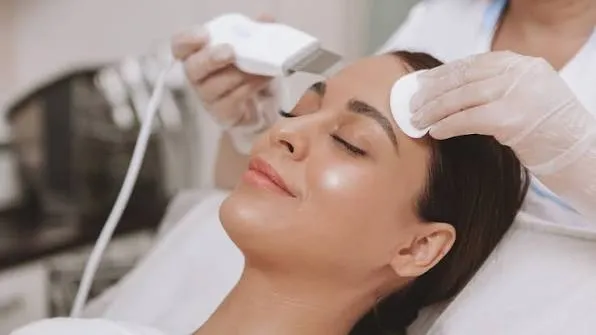
Changes in skin appearance can be confusing because firmness, smoothness, and elasticity are not the same thing. Someone might notice loose skin around their abdomen, while another person is concerned about dimpling across their thighs. Although these concerns sometimes occur together, they have different underlying causes. A professional skin tightening treatment may help improve mild skin laxity, but it will not necessarily address every texture concern. Understanding what is happening beneath the surface can make aesthetic decisions more practical, informed, and personally meaningful.
Skin Firmness Changes Over Time
Skin contains collagen and elastin, two structural proteins that contribute to strength and flexibility. As people age, collagen production gradually declines, and changes in body weight or sun exposure can influence how skin looks and feels. Some individuals notice these effects around their jawline, stomach, or upper arms. However, the amount of loose skin varies considerably. Genetics, lifestyle, and individual biology all play a role. Recognizing these differences helps explain why the same procedure may produce different outcomes for different people.
Why Skin Texture Becomes Uneven
Dimpling across the thighs or buttocks is extremely common, including among physically active people. Cellulite develops partly because fibrous connective tissue interacts with underlying fat and the skin above it. This arrangement can create the familiar uneven appearance. It is not simply a sign of excess body weight or inadequate exercise. Professional cellulite treatment aims to improve visible texture, although results depend on the method used and individual characteristics. Understanding the cause encourages realistic expectations instead of unnecessary self-criticism.
Different Concerns Need Different Approaches
Treatments designed to improve firmness are not necessarily interchangeable with procedures intended to smooth dimpling. Radiofrequency technology, for example, delivers controlled energy into tissue and may stimulate collagen remodeling over time. Some texture-focused approaches use mechanical massage or other technologies to influence the appearance of treated areas. Each method has particular limitations and possible side effects. Choosing an approach should begin with identifying the actual concern rather than selecting a procedure based on popularity, before-and-after photographs, or promises of dramatic change.
Understand What Results Can Mean
Aesthetic improvements are often gradual, and visible changes may be modest rather than dramatic. Factors such as skin condition, treatment intensity, and individual response influence the outcome. Non-invasive procedures generally cannot remove substantial excess skin or reproduce the effects of surgery. Some people benefit from a treatment series, while others may find the improvement insufficient for their goals. Asking about realistic results, maintenance requirements, and available evidence is more useful than relying on promotional images that may not reflect typical experiences.
Ask Better Questions During Consultations
A consultation provides an opportunity to discuss concerns without committing immediately to treatment. Explain which areas bother you, whether your weight has changed recently, and what previous procedures you have tried. Ask how the proposed technology works and which results are reasonably achievable. Potential discomfort, contraindications, cost, and expected recovery should also be covered. At Iconic Spa, consultations help match clients with available non-invasive options. A useful discussion should leave you understanding both the possible benefits and the reasons treatment might not be appropriate.
Daily Habits Still Have Value
Professional procedures do not eliminate the importance of everyday skin care. Consistent sun protection can help limit additional damage to collagen, while moisturizing supports the skin barrier and improves comfort. Regular physical activity contributes to overall health, although exercise cannot guarantee the disappearance of cellulite. Maintaining a reasonably stable weight may also help limit repeated changes in skin stretching. These habits are not substitutes for specific treatments, but they support realistic, long-term care without encouraging expensive products or unnecessarily complicated routines.
Know When Expectations Need Adjusting
Sometimes the most useful decision is to delay treatment or reconsider the original goal. If skin laxity is substantial, a non-invasive procedure may offer limited improvement. Certain health conditions, implanted devices, pregnancy, or recent procedures may also affect eligibility, depending on the technology involved. An experienced provider should review relevant medical history before recommending a plan. It is equally reasonable to decide that a natural variation in skin appearance does not require correction. Personal comfort and informed choice should guide the decision.
Conclusion
Skin appearance changes throughout life, and not every change needs a cosmetic solution. When someone does choose professional care, understanding the difference between firmness and texture can prevent confusion and unnecessary expense. Iconic Spa offers consultations and non-surgical aesthetic options, with further information available at iconicspa.com. The most valuable outcome of any consultation is clarity about what a procedure can realistically accomplish. Confidence should come from making an informed decision, whether that means pursuing treatment, exploring alternatives, or choosing to do nothing.